 Little Falls, NY
 Emergency
Private
Continued Healthcare

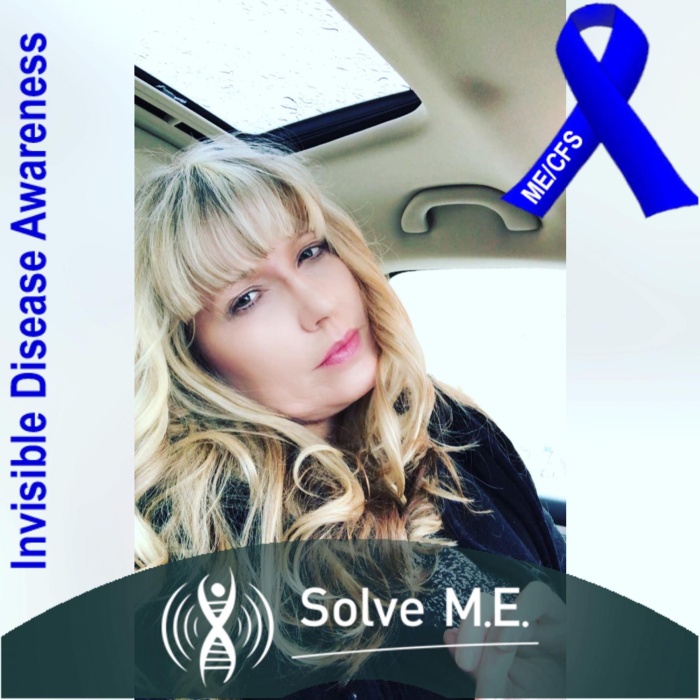 Hello. August 1st is my 58th Birthday. I'm asking for financial help because I've been severely chronically ill since February 1995, when I was forced to stop working. I went on to be bedridden for years and then improved a little. However, I have been severely chronically ill 29 years! I have been severely ill since the Pandemic and have been housebound. My EMERGENCY involves me needing to move to a residence for people 55+. I want to live in a setting that makes it easier for me if I need personal care. Since I need to move I need finances for moving expenses and almost everything else since I've allowed things to fall behind. I have 2 pets that both need vet care. I also will need deposits for both of them at a new residence. I need a cleaning service to help me with cleaning my old apartment. I'm going to need movers. I'm hoping to donate or sell old things and just purchase new things for the new apartment.
Pets: My gorgeous cat has developed a skin issue and needs urgent vet care. I have to get her to the vet. Both my dog and Cat need their regular vet care.
I am not feeling well. I'm not quite bedridden but I am housebound. Since the covid19 pandemic I have declined. I'm exhausted and have a lot of Doctors appointments to resume. No one ever tells someone how to deal with a severe chronic illness. I have severe Myalgic Encephalomyelitis. During my 29 years of severe chronic illness I've dealt with it in various ways. When I was mostly bedridden I went to Doctors for maintenance. Before that time and after that period of being bedridden I had times I was at a Doctors office or the Hospital at least 3 times a week. So once again since Covid I just went into more maintenance. I've mostly just been homebound. Now I need to attempt to get to Doctors appointments, clean, get my pets to their appointment, and move.
If anyone can help me with finances I would be extremely grateful. I'm just so tired of this. I once had family support but because of the lack of understanding about this illness that happens to so many of us who have severe chronic illness they are no longer empathetic, which is extremely cruel. I can not imagine having a sick family member or friend and turning away. I hope to get stronger and build a platform for people with severe chronic illness to have support.
Thank you to anyone and everyone helping me or anyone who has found themselves in some kind of need. ❤️🤗
————————————————————————
More Info on my Severe Medical Condition:
I was quickly diagnosed in 1995 with Chronic Fatigue Immune Dysfunction Syndrome. I was fortunate that I had Doctors who quickly saw I fit the criteria. I was a Marriage and Family Therapist at the time and my health quickly deteriorated after I walked in a toxic building. My immune system was affected and as a result I have had innumerable diagnoses including: myalgic encephalomyelitis, chronic fatigue syndrome, migraines, fibromyalgia, hypothyroidism, chronic sinusitis, Postural orthostatic tachycardia syndrome (POTS), Vertigo, Vitiligo, Sjögren's Syndrome, etc.
————————————————————————
For those interested in understanding Me/CFS (my.clevelandclinic.org):
Myalgic Encephalomyelitis/Chronic Fatigue Syndrome (ME/CFS)
Chronic fatigue syndrome (CFS) is a type of fatigue or exhaustion that lasts six months or longer. This can prevent you from completing your daily routine or getting out of bed. In addition, it can cause headaches and joint and muscle pain. Treatment can help manage symptoms with medication, sleep hygiene and activity management.
What is chronic fatigue syndrome?
Myalgic encephalomyelitis/chronic fatigue syndrome (ME/CFS) or chronic fatigue syndrome (CFS) is a condition that causes you to feel so tired and exhausted that it interferes with your ability to complete your daily routine or even get out of bed. Your fatigue doesn't improve with rest and gets worse after physical activity or mental exertion. Symptoms usually last for six months or longer.
A healthcare provider may refer to CFS as:
- Myalgic encephalomyelitis (ME).
- Systemic exertion intolerance disease (SEID).
How common is chronic fatigue syndrome?
Chronic fatigue syndrome affects an estimated 836,000 to 2.5 million people in the United States. About 90% of people who experience chronic fatigue syndrome don't receive a diagnosis even though they live with this condition. The main barriers that prevent people from getting a diagnosis are access to healthcare and awareness of the condition.
Symptoms and Causes
What are the symptoms of chronic fatigue syndrome?
Symptoms of chronic fatigue syndrome include:
- Severe fatigue lasting at least six months that doesn't improve with rest or sleep.
- Difficulty sleeping (falling or staying asleep).
- Headaches.
- Joint pain.
- Muscle aches.
- Difficulty with thinking, attention, concentration and memory.
Other symptoms of CFS include:
- Vision problems.
- Chills.
- Night sweats.
- Swollen lymph nodes.
- Irritable bowel, painful bloating, gas, constipation and diarrhea.
- Mood swings, irritability and anxiety.
- Tingling or numbness in your feet, hands or face.
- Dizziness, weakness and fainting.
For many people, the symptoms of CFS resemble other conditions, like the flu. Symptoms may come and go over time and increase or decrease in severity. CFS symptoms get worse following physical exercise or strenuous mental exertion (post-exertional malaise). Many of the symptoms of CFS make daily life difficult. CFS symptoms vary widely from person to person.
What causes chronic fatigue syndrome?
Healthcare providers don't know the exact cause of chronic fatigue syndrome. Research suggests there could be several factors that might lead to CFS:
- Low blood pressure.
- Stress.
- An infection.
- Immune system changes (how your body responds to stress or an infection).
- Changes to how your body makes and uses energy.
What are the risk factors for chronic fatigue syndrome?
Women and people assigned female at birthare more likely to develop chronic fatigue syndrome than men and people assigned male at birth. Young children and teenagers can develop this condition, but it's much more common in adults between the ages of 40 and 60.
There may be a genetic link to CFS. Studies found it can run in your biological family history. More research is necessary to determine what gene is responsible for this condition.
What are the complications of chronic fatigue syndrome?
For some people, the fatigue associated with chronic fatigue syndrome makes activities of daily living very difficult or even impossible. Research shows that only half of all people diagnosed with CFS work full-time or part-time jobs.
CFS causes depression. If you experience depression, talk with your healthcare provider. Effective treatments are available.
Did you know?
Even if you can't contribute with money, you can help this campaign by sharing on Facebook! In fact, when this campaign reaches 100 shares on Facebook and $1000 raised, FreeFunder will donate $20 to it. Tell your friends! Currently this campaign has been shared on Facebook about 39 times.
FreeFunder allows fundraisers to create free personal crowdfunding campaigns, with no platform fees!