 Mcclusky, ND
 Medical
Be the first to donate!
This campaign has ended and is no longer accepting donations.
Jaiden's fire benefits
On Saturday, April 12th, 2025, at 1:31 pm, the McClusky Fire Department was dispatched to a brush fire that started as a controlled burn at the Hwy 14 gravel pits. Firefighting operations were impeded by changing wind directions and speed. Two firefighters were injured, and one truck was destroyed.
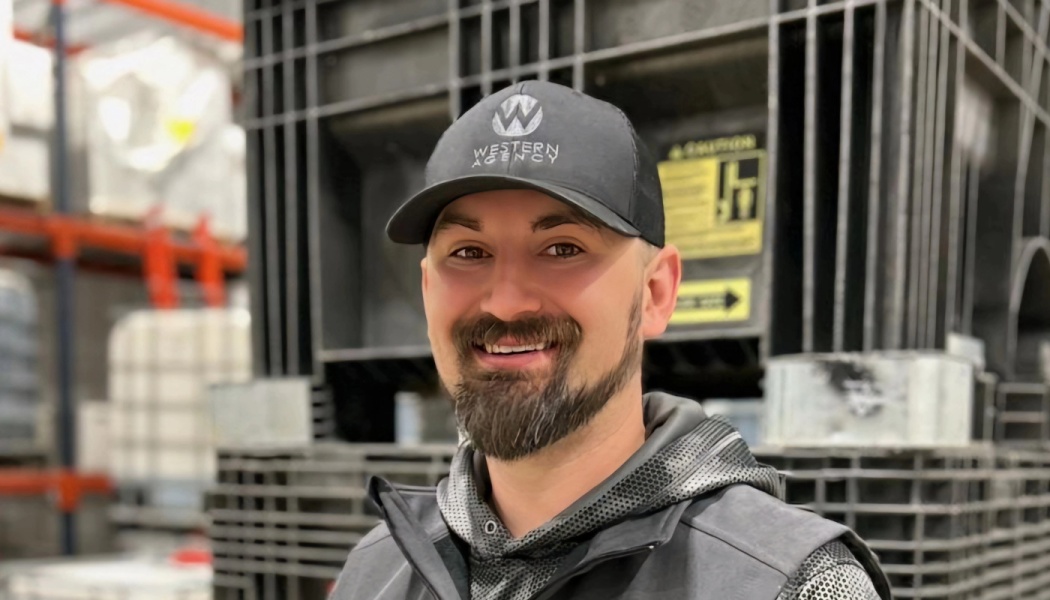
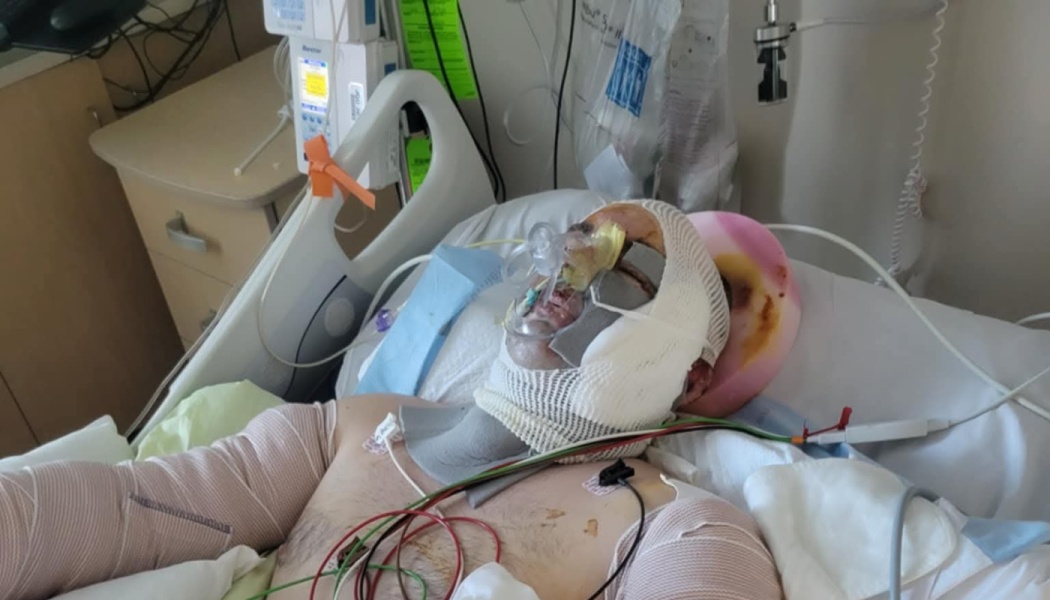
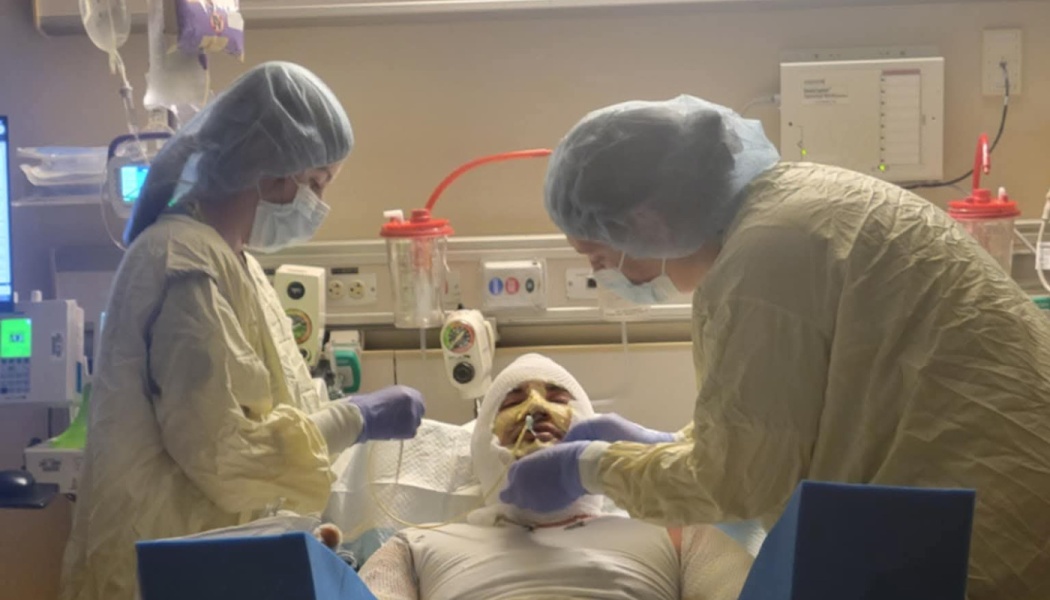
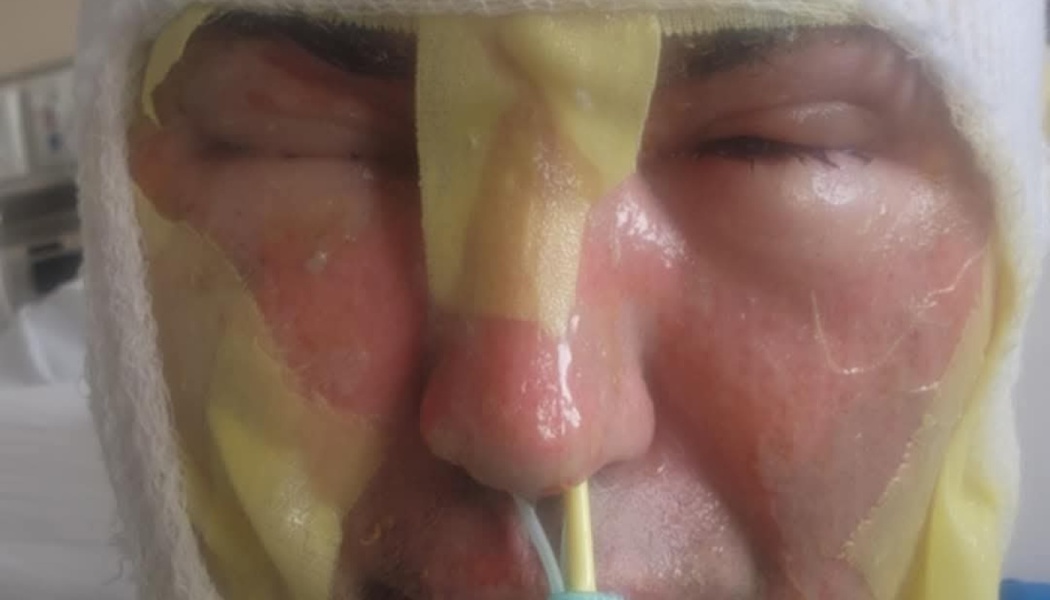
Firefighter Jaiden Bauer was seriously burned and is currently being treated at Regions Hospital Burn Center in Saint Paul, Minnesota. Jaiden suffered second and third degree burns to his head, face, neck, and arms battling the wildfire. He will need extensive treatments for his injuries as well as follow-up visits for future care.
Jaiden’s wife Alexis is at his bedside at Regions Hospital Burn Center in St. Paul, Minnesota, while their three children are being cared for by family members. Any donations towards his recovery are greatly appreciated.
Here is his personal account of what happened that day.
Highway 14 Fire
Hello everyone — after a couple of crazy, hectic weeks, we figured it was time for an update on what’s taken place here at Regions Burn Center. As many of you know, another firefighter and I were injured while trying to fight the Highway 14 fire.
**My story **
I had been working on farm equipment the day the fire call came in. I yelled across the yard to my wife and kids, “Fire call — gotta go!” When I swung through the firehouse, the fire truck "Commander" was already running, and another firefighter was ready to leave. I quickly grabbed bibs and boots and asked if I could join them. One of the water tankers needed a jump-start and was out of commission during the few minutes I was there. My fellow firefighters and I quickly discussed the best route to reach the scene. After calling in to confirm we were en-route, we were radioed to pull into a gravel pit off the side of the highway to set up a filling station for the smaller brush trucks.
Our first task was to set up hosing to fill the smaller trucks. It was immediately clear the fire was larger than what we typically see. As the fire’s size and speed grew, mutual aid was called in. A Wing Fire Department truck showed up with a single firefighter in a brush truck. He was instructed not to go out alone, so I volunteered to go with him. I knew both the firefighter and the terrain well from hunting and hiking in the area.
We took out three loads of water, trying to get ahead of the fire along with many other brush trucks. On our last trip to the east side of the fire, we were instructed to try and get around to the head of the fire near a neighboring farmyard. Knowing the land well, we drove back to the tankers to lead one to another fill site.
Here is where the story turns — leading to the situation that brought us here today:
We reached the neighboring farmyard and called on the radio to locate everyone. However, because several active fires were being managed on the same channel, communication was extremely difficult. My fellow firefighter and I decided to follow a common section line to see where the fire was and if we could spot the other brush trucks, concerned they might be trapped.
As we crested a hill, we saw two brush trucks but couldn’t reach them by radio. We decided to help by putting out some of the fire at the leading edge to slow its growth. We got behind the other brush trucks and sprayed until we emptied our tank. Moving as quickly as terrain allowed, we raced back toward the main road to make what we knew would be our final stand.
When we reached the road, we headed to the farmyard, having lost track of the other brush truck. A farmer at the corner directed us south to a water tank. As we refilled, we saw the fire rapidly approaching the road. Our truck and another began soaking the ditch and surrounding vegetation to prevent the fire from spreading.
Brush trucks are built for rough terrain but carry limited water, so we needed frequent refills. As we filled our fourth tank, the fire continued moving toward us. We witnessed a horrifying sight — one of our pump tankers was overtaken by flames. From my vantage point, it looked like a few men were trapped under it as the fire surrounded them. One firefighter was using his hose to create a protective barrier against eight- to ten-foot flames.
Knowing we had to get to the south side to prevent the fire from crossing the road — which would make it uncontrollable — we drove south through thick smoke and low visibility. We sprayed more ditch line to slow the fire's spread toward cattail sloughs ahead.
Soon after, I heard our pump cavitate — we were out of water, and the smoke was worsening. Visibility was nearly gone, and I feared running into another truck or firefighter. I could hear my partner coughing violently, so I made the decision to backtrack rather than push forward through worsening conditions.
Putting the truck in reverse, I backed up quickly — not being familiar with this truck made it even harder. The thick smoke eventually choked the engine out, leaving me desperately trying to restart it. During the chaos, the steering wheel locked, sending us rolling back into a ditch full of flames.
I instantly heard the other firefighter screaming my name and knew something was horribly wrong. I couldn’t see him or any other trucks. I managed to restart the engine but couldn't get it into gear. Thinking fast, I tried to crank up the manual windows to block some of the flames, but one window wouldn't budge. Flames breached the cab. With no other option, I decided to get out.
I chose a direction based on the way the smoke was blowing and the temperature changes around me. Everything slowed down:
Running through the smoke, I could see nothing but miles of burning, smoldering land, flames reaching eight feet or more. I knew my body couldn't handle much more. I desperately needed relief. Just as I was about to give up, I felt the ditch line rise under my feet — I found the road. I turned toward where I knew the water tank was. Looking back I estimate I ran about 40-50 yards.
As the smoke cleared slightly, I saw silhouettes and vehicles ahead. Grabbing my barely attached radio, I called out, “Firefighter down! Firefighter down!” but the message was lost in heavy radio traffic. Unable to see my partner yet, all I could think about was saving him.
I ran toward our flat tank of water, greeted by other firefighters. Before I arrived, I heard my fellow firefighter’s voice: “Are you okay?” A wave of relief washed over me, and my mind immediately turned to my family.
Another firefighter pulled out our first aid fire treatment kit. An older gentleman and a close friend were there. I asked to use a phone to call my wife. Calm and collected, our department called for EMS while I phoned my wife. Unsure of the extent of my injuries, I knew I had to stay calm for her and for everyone else.
I reached her and said, "I’ve been burned pretty badly, but I need you to stay calm. Drop the kids off with my parents and meet me at the hospital."
Another brush truck arrived — and on it was a close friend whose concern for me was clear, even if he tried to hide it.
Our team quickly made a plan to get us out. We transferred to a sheriff’s vehicle to meet up with EMS about a mile away. Upon meeting them, the EMS team immediately doused my body with water and took a quick report before racing toward Bismarck’s emergency center.
Things started getting blurry as my mind switched from survival mode to recognizing the immense pain I was in. The next thing I remember, we were at the Bismarck emergency center. What felt like a lifetime passed as they worked to find the right pain medications. Eventually, I was informed I would be airlifted to Regions Hospital — without my family.
I don’t recall the flight, but it must have been comfortable and — in my mind — luxurious.
Now, after two weeks here, I have had one surgery for grafting on my arms, using donor skin from both thighs. The process they were able to proceed with was stem cell grafting which was sprayed onto the wound with the grafts to help repair damaged tissues. On top of the wounds are layers of Mepilex Silver dressing to combat infections and assist with healing. They’ve told me to expect about three weeks of inpatient care.
But you all know me — I can’t sit still long enough, my hallucinations that I’m in The Matrix, or be tube-fed longer than necessary. I'm determined to make that three weeks much shorter.
I am overwhelmed by the love and support shown to me and my family. As my battle continues, please keep our entire volunteer force in your thoughts. And please remember when starting fires, sacrifices can be devastating, and the collateral damage are volunteers & rural communities.
I discourage monitory donations, but was hushed by many to accept that there will be hardships ahead for my family as we transition back home.
Did you know?
Even if you can't contribute with money, you can help this campaign by sharing on Facebook! In fact, when this campaign reaches 100 shares on Facebook and $1000 raised, FreeFunder will donate $20 to it. Tell your friends!
FreeFunder allows fundraisers to create free personal crowdfunding campaigns, with no platform fees!